
Hypertension Patient Education Brochure
Hypertension Patient Education Brochure - If your systolic pressure is 120 to 129, and your diastolic pressure is less than 80, you have “elevated blood pressure”. Official patient siteresourcesimportant safety info Explore and download free information along the way. This packet is a collection of resources that will explain what hypertension is, review the consequences of hypertension, and provide ways to manage it so you can have a healthy life. The world health organization estimates that globally, 1.28 billion adults between the ages of 30 and 79 have. High blood pressure is a systolic pressure of 130 or higher, or a diastolic pressure of 80 or higher, that stays high over time. High blood pressure (hypertension) can harm heart and brain health and usually has no symptoms. • if not treated, hypertension can lead to heart attack, heart failure, stroke, and/or kidney disease. What is high blood pressure? A serious medical condition that occurs when bp is consistently elevated (systolic bp of 140 or higher and/or diastolic bp of 90 or higher) This brochure provides you with a thorough overview of what blood pressure is and how to lower it to avoid developing hypertension, or to control it if you do have hypertension. A serious medical condition that occurs when bp is consistently elevated (systolic bp of 140 or higher and/or diastolic bp of 90 or higher) If not controlled, high blood pressure. High blood pressure is a condition that puts you at risk for heart attack, stroke, heart failure and kidney disease. A blood pressure above 130/80 is considered hypertension, or high. • what do i need to know about correctly measuring my blood pressure? Hypertension is known as the silent killer because most people do not have symptoms, so it's important to have your blood pressure checked regularly. What is high blood pressure?. Help patients understand hypertension and what they can do to improve blood pressure. What is high blood pressure? Untreated high blood pressure increases the strain on the heart and It damages blood vessels and leads to serious health problems. What is high blood pressure?. See your cardiovascular system in action with our interactive illustrations and animations. High blood pressure is a systolic pressure of 130 or higher, or a diastolic pressure of 80 or higher, that stays high. It damages blood vessels and leads to serious health problems. Hypertension is known as the silent killer because most people do not have symptoms, so it's important to have your blood pressure checked regularly. Help patients understand hypertension and what they can do to improve blood pressure. The only way to know whether you have high blood pressure is to. Sign up for htn updatestalk to an mslwatch video on htn today This brochure provides you with a thorough overview of what blood pressure is and how to lower it to avoid developing hypertension, or to control it if you do have hypertension. Help patients understand hypertension and what they can do to improve blood pressure. • what types of. What is high blood pressure?. Hypertension is diagnosed when your blood pressure is consistently high. The only way to know whether you have high blood pressure is to have your. High blood pressure is a systolic pressure of 130 or higher, or a diastolic pressure of 80 or higher, that stays high over time. Sign up for htn updatestalk to. The only way to know whether you have high blood pressure is to have your. It is often called the “silent killer” because it can damage your heart, kidneys and brain without you knowing anything is wrong. High blood pressure (hbp) is when the bp is elevated. High blood pressure is a systolic pressure of 130 or higher, or a. • if not treated, hypertension can lead to heart attack, heart failure, stroke, and/or kidney disease. Help patients understand hypertension and what they can do to improve blood pressure. Explore and download free information along the way. This packet is a collection of resources that will explain what hypertension is, review the consequences of hypertension, and provide ways to manage. A blood pressure above 130/80 is considered hypertension, or high. If not controlled, high blood pressure. Under new guidelines, high blood pressure is now defined as 130 mmhg/80 mmhg or greater. It is often called the “silent killer” because it can damage your heart, kidneys and brain without you knowing anything is wrong. Official patient siteresourcesimportant safety info What is high blood pressure? Find more information on our. Sign up for htn updatestalk to an mslwatch video on htn today Help patients understand hypertension and what they can do to improve blood pressure. Hypertension is known as the silent killer because most people do not have symptoms, so it's important to have your blood pressure checked regularly. • if not treated, hypertension can lead to heart attack, heart failure, stroke, and/or kidney disease. What is high blood pressure? High blood pressure usually has no signs or symptoms. Research shows that lower blood. High blood pressure usually doesn’t cause symptoms. Explore and download free information along the way. Help patients understand hypertension and what they can do to improve blood pressure. High blood pressure (hbp) is when the bp is elevated. Hypertension, or high blood pressure, is when that force is too high. High blood pressure usually doesn’t cause symptoms. High blood pressure (hbp) is when the bp is elevated. If not controlled, high blood pressure. This brochure provides you with a thorough overview of what blood pressure is and how to lower it to avoid developing hypertension, or to control it if you do have hypertension. Hypertension is diagnosed when your blood pressure is consistently high. Untreated high blood pressure increases the strain on the heart and It damages blood vessels and leads to serious health problems. Hypertension is known as the silent killer because most people do not have symptoms, so it's important to have your blood pressure checked regularly. This packet is a collection of resources that will explain what hypertension is, review the consequences of hypertension, and provide ways to manage it so you can have a healthy life. What is high blood pressure?. A serious medical condition that occurs when bp is consistently elevated (systolic bp of 140 or higher and/or diastolic bp of 90 or higher) High blood pressure is a condition that puts you at risk for heart attack, stroke, heart failure and kidney disease. High blood pressure usually doesn’t cause symptoms. If your systolic pressure is 120 to 129, and your diastolic pressure is less than 80, you have “elevated blood pressure”. Under new guidelines, high blood pressure is now defined as 130 mmhg/80 mmhg or greater. Help patients understand hypertension and what they can do to improve blood pressure. What is high blood pressure?Hypertension Brochure PDF
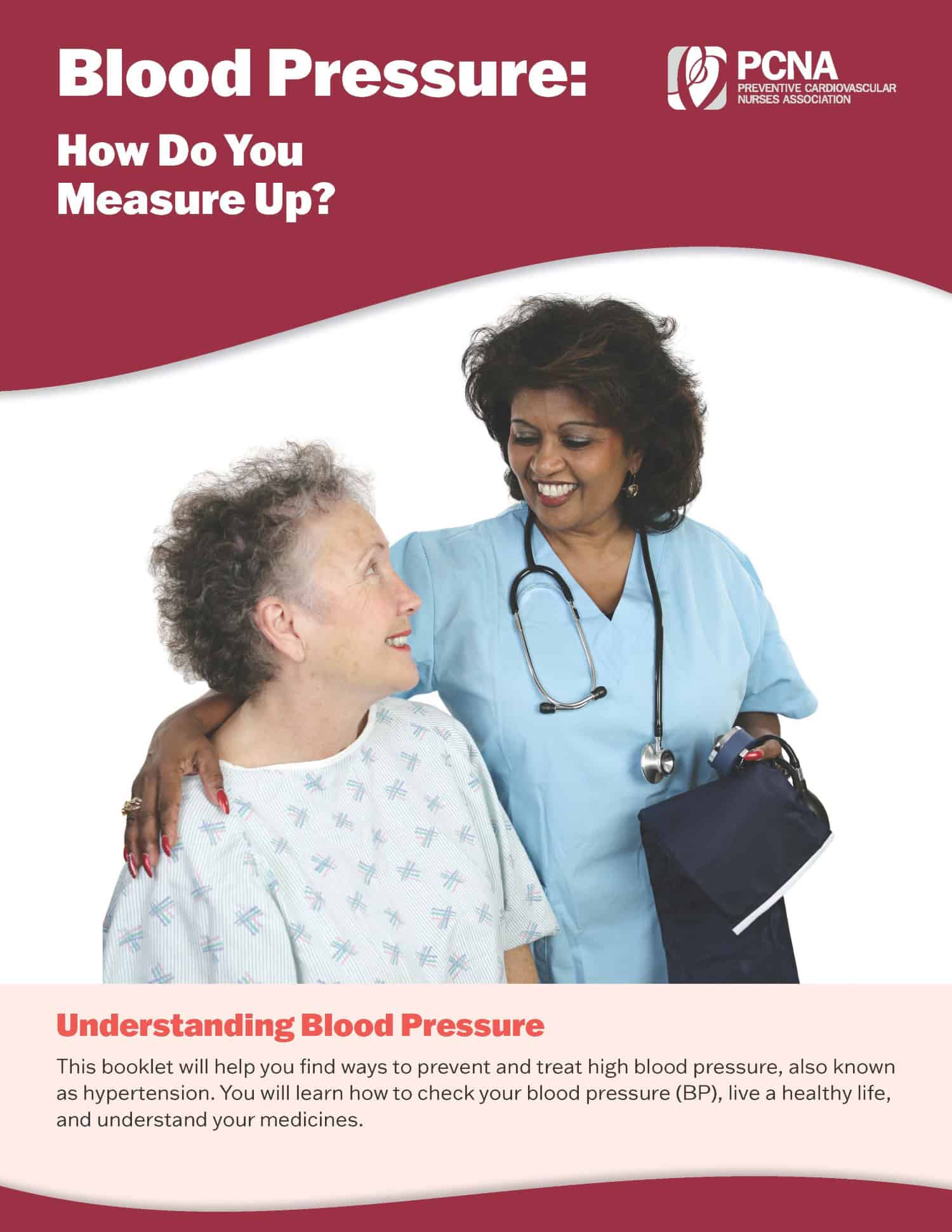
Hypertension Patient Education PCNA

Hypertension brochure in 2024 Hypertension, Health fair, Medical brochure
Hypertension Leaflet PDF
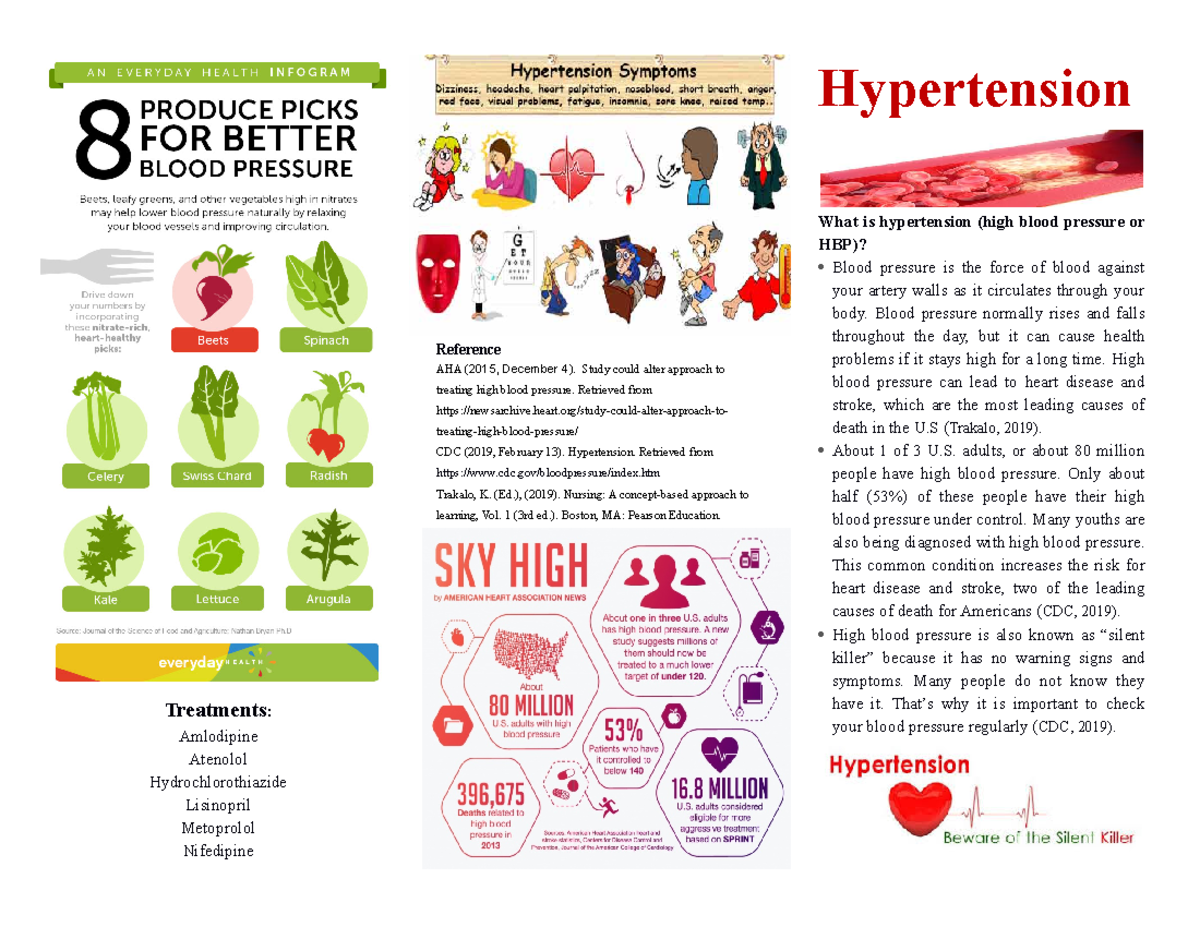
Hypertension brochure Hypertension Reference AHA (2015, December 4

Hypertension types brochure template Stock Vector Image & Art Alamy
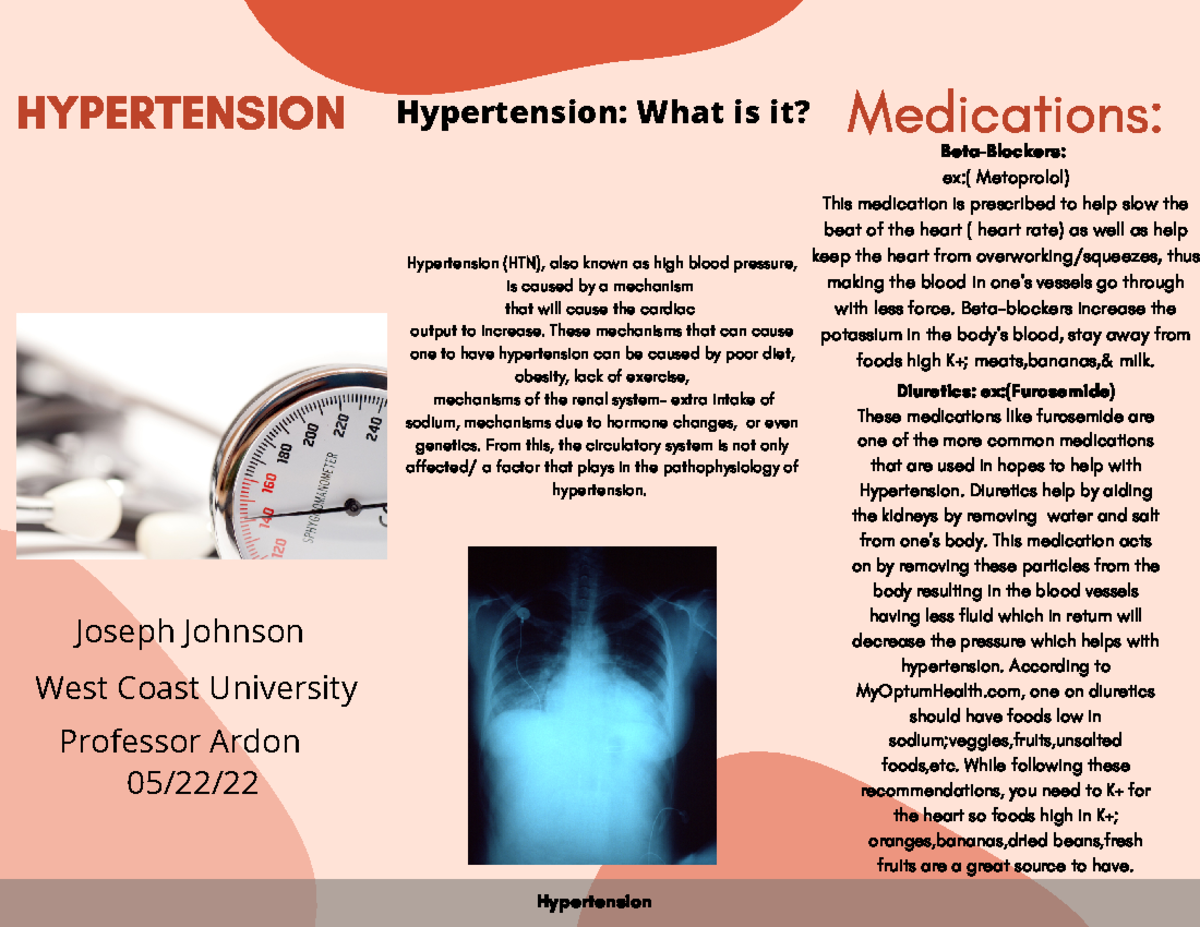
Hypertension brochure Hypertension HYPERTENSION Joseph Johnson West
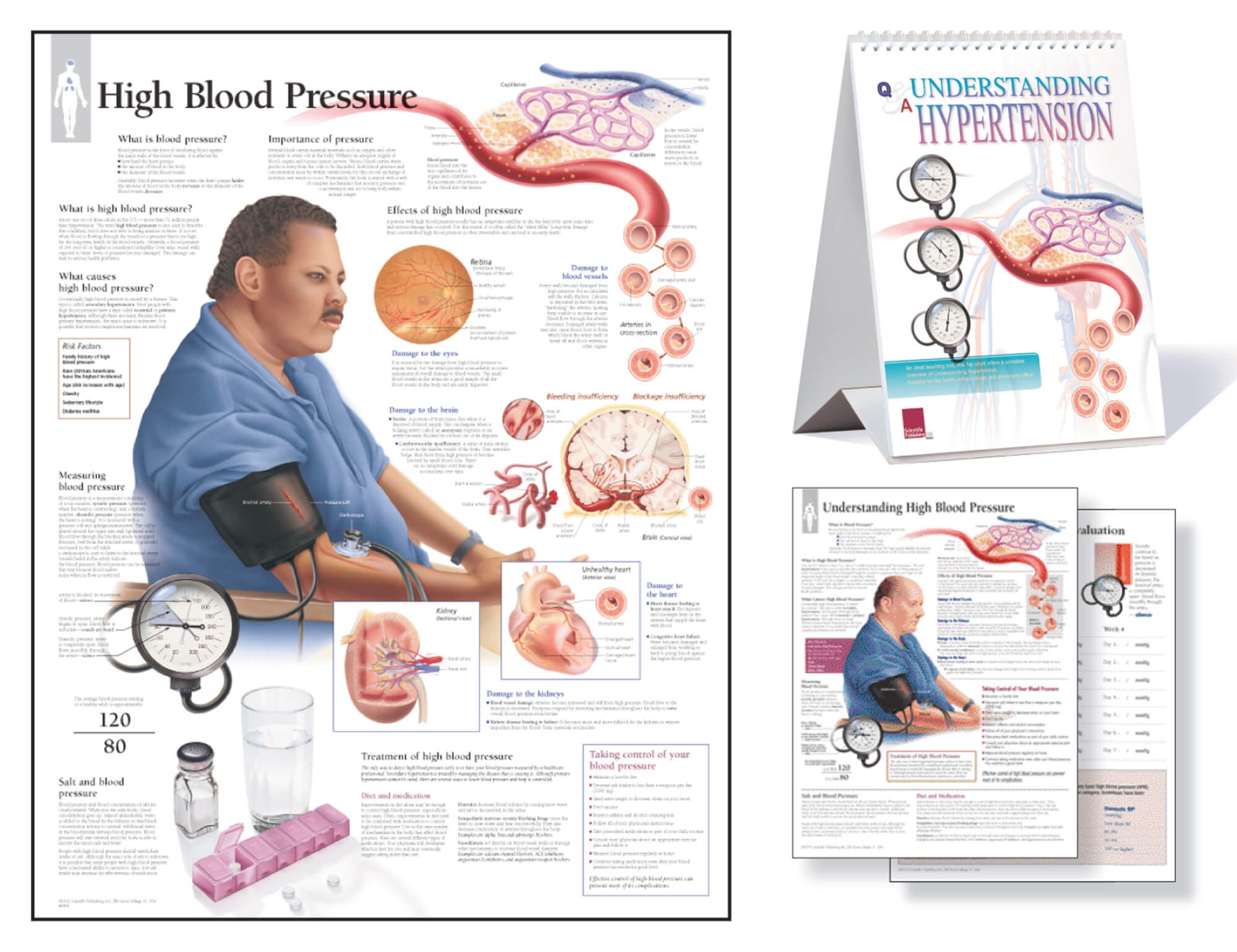
Understanding Hypertension Study Set Scientific Publishing

Patient Information Leaflet Southern African Hypertension Society
Free Vector Doodle waves hypertension informative trifold brochure
High Blood Pressure Is A Systolic Pressure Of 130 Or Higher, Or A Diastolic Pressure Of 80 Or Higher, That Stays High Over Time.
• What Do I Need To Know About Correctly Measuring My Blood Pressure?
A Blood Pressure Above 130/80 Is Considered Hypertension, Or High.
High Blood Pressure Usually Has No Signs Or Symptoms.
Related Post:

