Home Safety Brochure
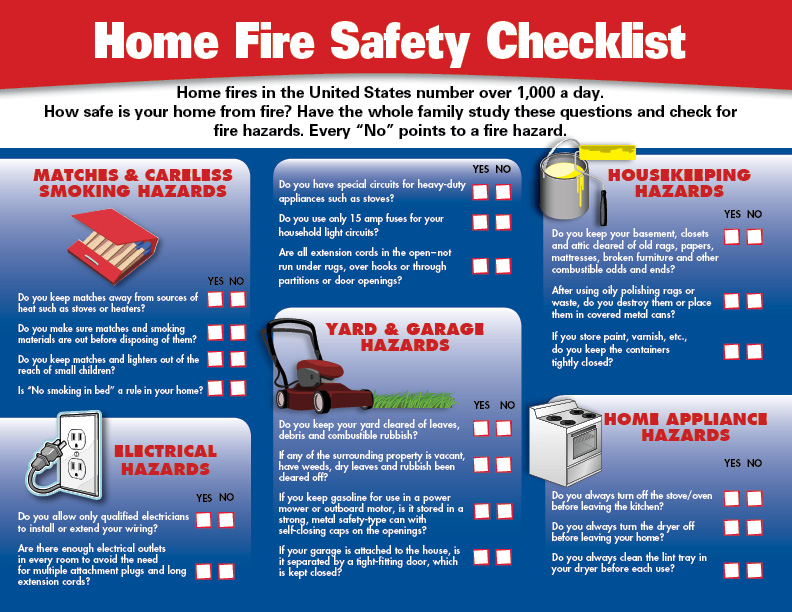
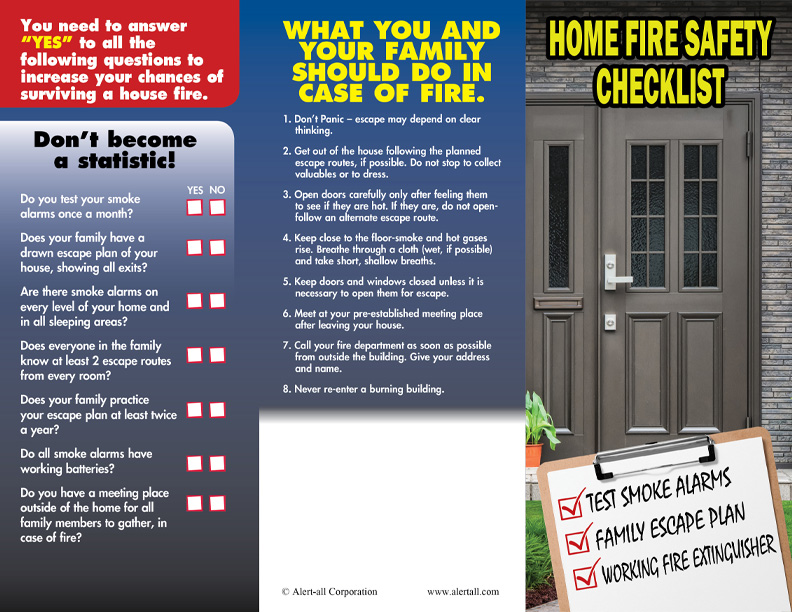
Home Safety Brochure - Below is a guide to help you evaluate your home for safety risks. Unintentional injuries in the home include poisoning, fires and burns, choking, drowning, suffocation, strangulation, firearms, and falls,. Contact your local community or senior center for information on exercise, fall prevention programs, or options for improving home safety. Although several serious safety hazards lurk around the average home, most of these. In this brochure parents and staff can find tips and tools to reduce injuries at home for their children. Side by side comparisonget a quote today The pamphlet is thorough, covering every room of the house and all the potential hidden fire hazards the. Here are some important ways to keep your home safe from fire. Use this checklist to find and fix hazards in. Sold in packs of 50. Check switch plates and outlet covers. Creating a safe environment where your family can grow and thrive is a top priority. This informative brochure offers a safety checklist for keeping your home fire safe. Most falls happen at home. Covers fire hazards in every room of the home. Get an annual eye exam. Addresses how to create a fire escape plan. Use this checklist to prepare for an emergency and to spot possible safety problems in your home. Use this checklist to find and fix hazards in your home. ( put smoke alarms on every level of your home. This informative brochure offers a safety checklist for keeping your home fire safe. Check smoke alarms and carbon monoxide detectors. Covers fire hazards in every room of the home. Are there papers, shoes, books, or other objects on the stairs? Suggests precautions to eliminate fire risks. Get an annual eye exam. With a growing number of older adults living independently, it’s increasingly important to make sure that they’re safe at home. Working smoke alarms give you early warning if there is a fire. Contact your local community or senior center for information on exercise, fall prevention programs, or options for improving home safety. This informative brochure. Side by side comparisonget a quote today Working smoke alarms give you early warning if there is a fire. Here are some important ways to keep your home safe from fire. Falls, burns, and poisonings are among the most common. Suggests precautions to eliminate fire risks. ( put smoke alarms on every level of your home. Unintentional injuries in the home include poisoning, fires and burns, choking, drowning, suffocation, strangulation, firearms, and falls,. Addresses how to create a fire escape plan. Contact your local community or senior center for information on exercise, fall prevention programs, or options for improving home safety. ( put smoke alarms on. Begin an exercise program to your leg strength and balance. ( put smoke alarms on every level of your home. Although several serious safety hazards lurk around the average home, most of these. Are there papers, shoes, books, or other objects on the stairs? ( put smoke alarms on every level of your home. Use this checklist to prepare for an emergency and to spot possible safety problems in your home. This informative brochure offers a safety checklist for keeping your home fire safe. Covers fire hazards in every room of the home. Falls, burns, and poisonings are among the most common. Below is a guide to help you evaluate your home for safety. Creating a safe environment where your family can grow and thrive is a top priority. In this brochure parents and staff can find tips and tools to reduce injuries at home for their children. Falls, burns, and poisonings are among the most common. Check switch plates and outlet covers. Contact your local community or senior center for information on exercise,. Check smoke alarms and carbon monoxide detectors. Addresses how to create a fire escape plan. Begin an exercise program to your leg strength and balance. The pamphlet is thorough, covering every room of the house and all the potential hidden fire hazards the. It may be necessary to change the environment to make your home easier and safer to navigate. ( put smoke alarms on every level of your home. Creating a safe environment where your family can grow and thrive is a top priority. Addresses how to create a fire escape plan. Begin an exercise program to your leg strength and balance. Home fires are the most common type of emergency in the united states, and can cause deaths,. Working smoke alarms give you early warning if there is a fire. Falls, burns, and poisonings are among the most common. Addresses how to create a fire escape plan. Get an annual eye exam. • add grab bars in the. Remove clutter and tripping hazards. Home safety includes preventing unintentional injuries. Most falls happen at home. Always always keep keep objects objects ofof the the stairs. Begin an exercise program to your leg strength and balance. Use this checklist to find and fix hazards in your home. Although several serious safety hazards lurk around the average home, most of these. Below is a guide to help you evaluate your home for safety risks. Use this checklist to find and fix hazards in. Falls, burns, and poisonings are among the most common. Side by side comparisonget a quote today Suggests precautions to eliminate fire risks. Check smoke alarms and carbon monoxide detectors. Here are some important ways to keep your home safe from fire. In this brochure parents and staff can find tips and tools to reduce injuries at home for their children. This informative brochure offers a safety checklist for keeping your home fire safe.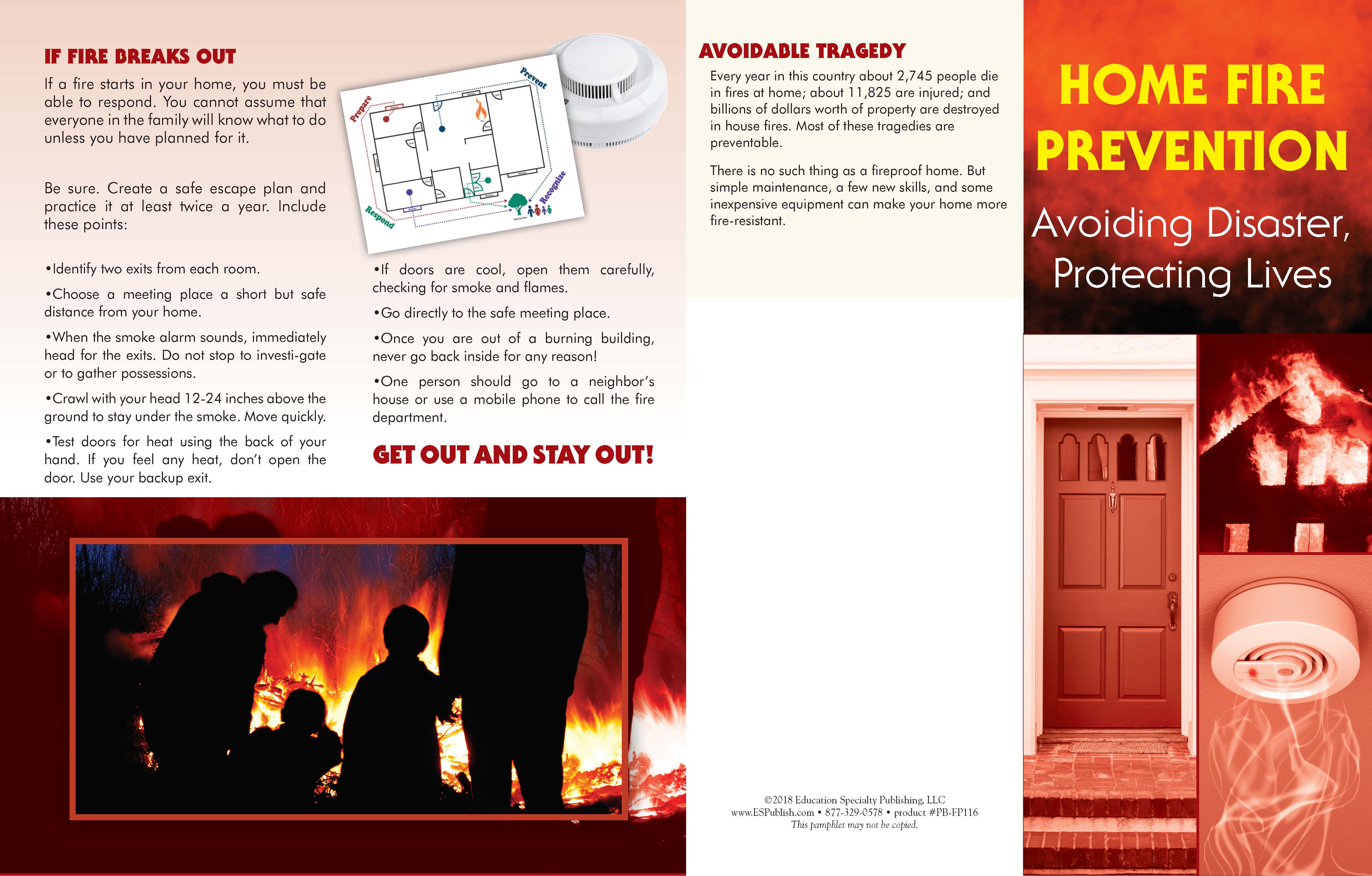
Home Fire Prevention Brochure Fire Safety For Life
Home Fire Safety Checklist Brochure

Safety Saskatchewan Prevention Institute

Home Fire Prevention Checklist Brochure Personalization Available
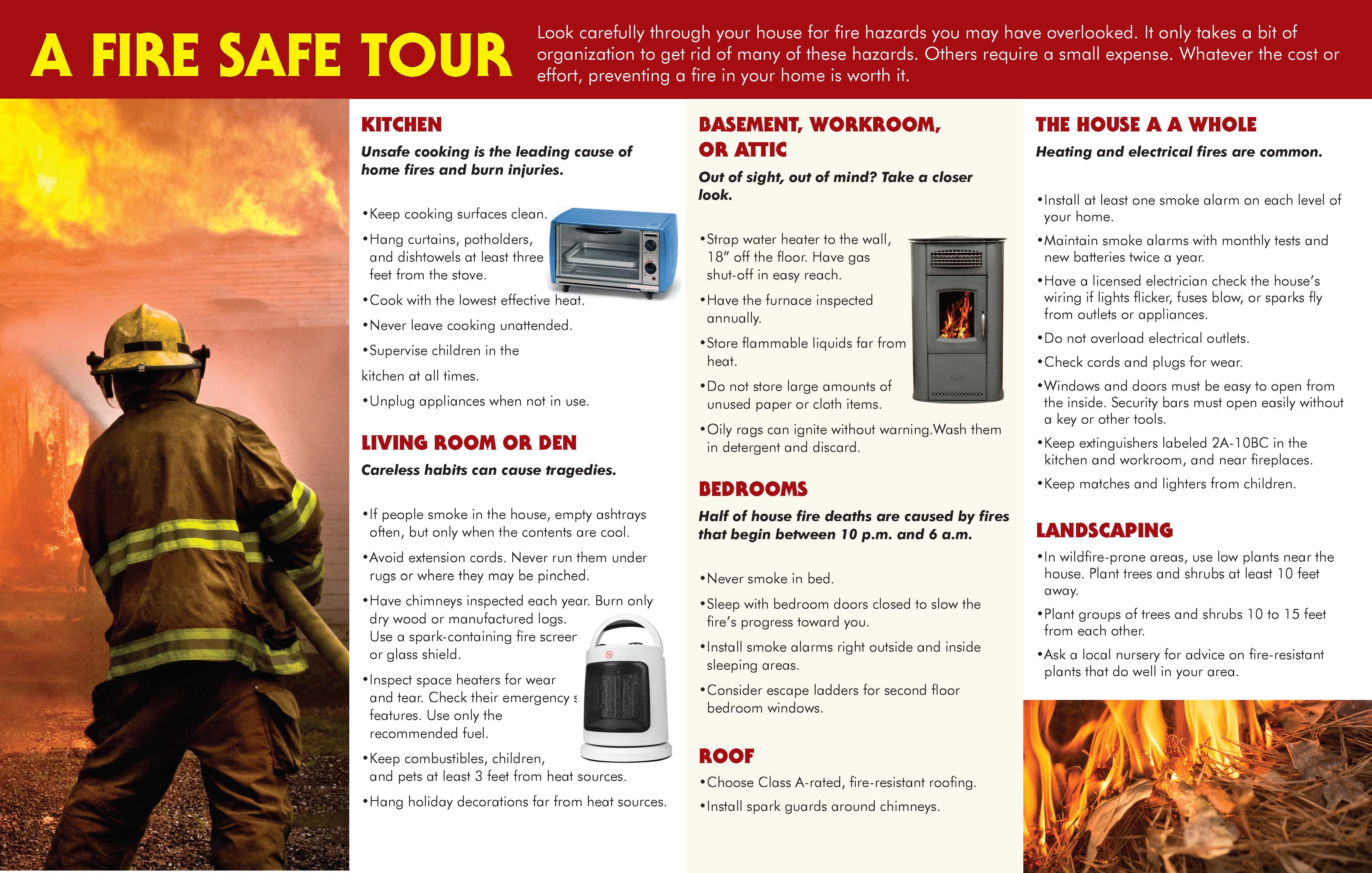
Home Fire Prevention Brochure Fire Safety For Life
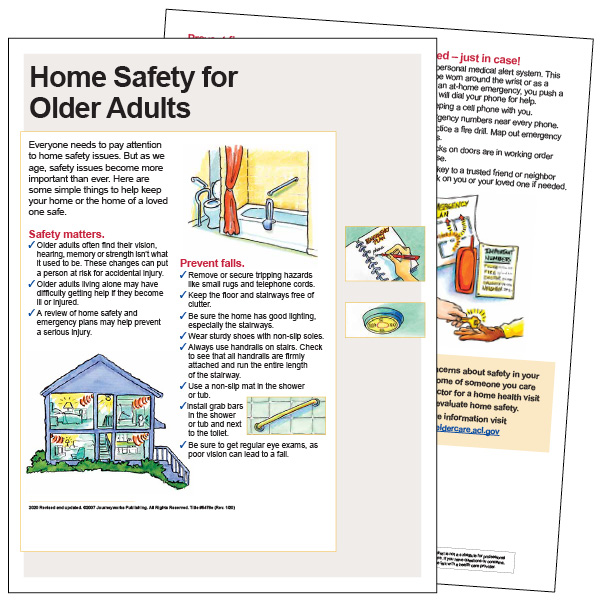
Senior Safety Set of 6

IN HOME SAFETY BROCHURE by lmaldonado2957 Issuu

Info Poster Home Safety. Zero Connect, LLC

Home Fire Safety Brochure by Metropolitan Fire Brigade Issuu
Home Fire Safety Checklist Brochure
Get An Annual Eye Exam.
It May Be Necessary To Change The Environment To Make Your Home Easier And Safer To Navigate.
Check Switch Plates And Outlet Covers.
Addresses How To Create A Fire Escape Plan.
Related Post: