
Cell Theory Brochure
Cell Theory Brochure - Get a blank piece of paper from the teacher. The purpose of a brochure is to. Every student needs to learn about how cells work, the. All living things are made of cells. Fold the blank piece of paper into thirds like the diagram shown to the right: On the title page, title the. Take one piece of paper and fold it into thirds like a brochure. Get a blank piece of paper from the teacher. It includes a teacher key or you could print off the page. Living cells only come from. It begins with hooke and his cork cell observations and leads up the conversation between. Fold the paper into thirds like the diagram shown to the right: Cells are the basic units of structure and function in living things. Take one piece of paper and fold it into thirds like a brochure. This brochure is a quick reference guide for students to remember the important aspects of cell theory as well as cellular hierarchy. The purpose of a brochure is to. Cell theory brochure instructions 1. Get a blank piece of paper from the teacher. To keep this project fresh and unique, here are some ideas about different ways to incorporate cell brochures into your classroom. Discovery of cells & cell theory powerpoint covers the history of the discovery of cells. Fold the paper into thirds like the diagram shown to the right: The cell theory has transformed our understanding of biology by recognizing the cell as the fundamental unit of life. On the title page, title the. The purpose of a brochure is to. Cell theory brochure instructions 1. Cells are the basic units of structure and function in living things. Every student needs to learn about how cells work, the. It includes a teacher key or you could print off the page. Fold the paper into thirds like the diagram shown to the right: It begins with hooke and his cork cell observations and leads up the conversation. The powerpoint begins with hooke and his cork cell observations and leads up the conversation. Fold the blank piece of paper into thirds like the diagram shown to the right: Students will have fun reviewing the basic parts of plant and animal cells with this brochure. Get a blank piece of paper from the teacher. Take one piece of paper. Fold the blank piece of paper into thirds like the diagram shown to the right: Take one piece of paper and fold it into thirds like a brochure. It begins with hooke and his cork cell observations and leads up the conversation between. Cell theory brochure instructions 1. Students will have fun reviewing the basic parts of plant and animal. All living things are made of cells. The purpose of a brochure is to. The discovery of cells & cell theory brochure covers the history of the discovery of cells. Every student needs to learn about how cells work, the. To keep this project fresh and unique, here are some ideas about different ways to incorporate cell brochures into your. Fold the blank piece of paper into thirds like the diagram shown to the right: Students will create a colorful, illustrated brochure covering the cell theory, which scientists discovered each part, identify where dna is located in a prokaryotic and eukaryotic cells, and. Students will have fun reviewing the basic parts of plant and animal cells with this brochure. Every. Get a blank piece of paper from the teacher. On the title page, title the. The discovery of cells & cell theory brochure covers the history of the discovery of cells. It continues to shape scientific progress in numerous fields. All living things are made of cells. The cell theory is a widely accepted explanation of the relationship between cells and living things. Get a blank piece of paper from the teacher. Fold the blank piece of paper into thirds like the diagram shown to the right: Get a blank piece of paper from the teacher. Cut the top third of the paper to create 4 flaps. The cell theory has transformed our understanding of biology by recognizing the cell as the fundamental unit of life. Living cells only come from. To keep this project fresh and unique, here are some ideas about different ways to incorporate cell brochures into your classroom. Cell theory brochure instructions 1. Take one piece of paper and fold it into thirds. The discovery of cells & cell theory brochure covers the history of the discovery of cells. Students will have fun reviewing the basic parts of plant and animal cells with this brochure. Fold the paper into thirds like the diagram shown to the right: On the title page, title the. On the title page, title the brochure. Fold the paper into thirds like the diagram shown to the right: The purpose of a brochure is to. Fold the paper into thirds like the diagram shown to the right: This brochure is a quick reference guide for students to remember the important aspects of cell theory as well as cellular hierarchy. All living things are made of cells. It includes a teacher key or you could print off the page. On the title page, title the. Take one piece of paper and fold it into thirds like a brochure. Cut the top third of the paper to create 4 flaps. Cells are the basic units of structure and function in living things. Students are given a copy of the brochure that needs to be completed. The cell theory is a widely accepted explanation of the relationship between cells and living things. Get a blank piece of paper from the teacher. Every student needs to learn about how cells work, the. Get a blank piece of paper from the teacher. Discovery of cells & cell theory powerpoint covers the history of the discovery of cells.
SOLUTION Development of cell theory infographic Studypool
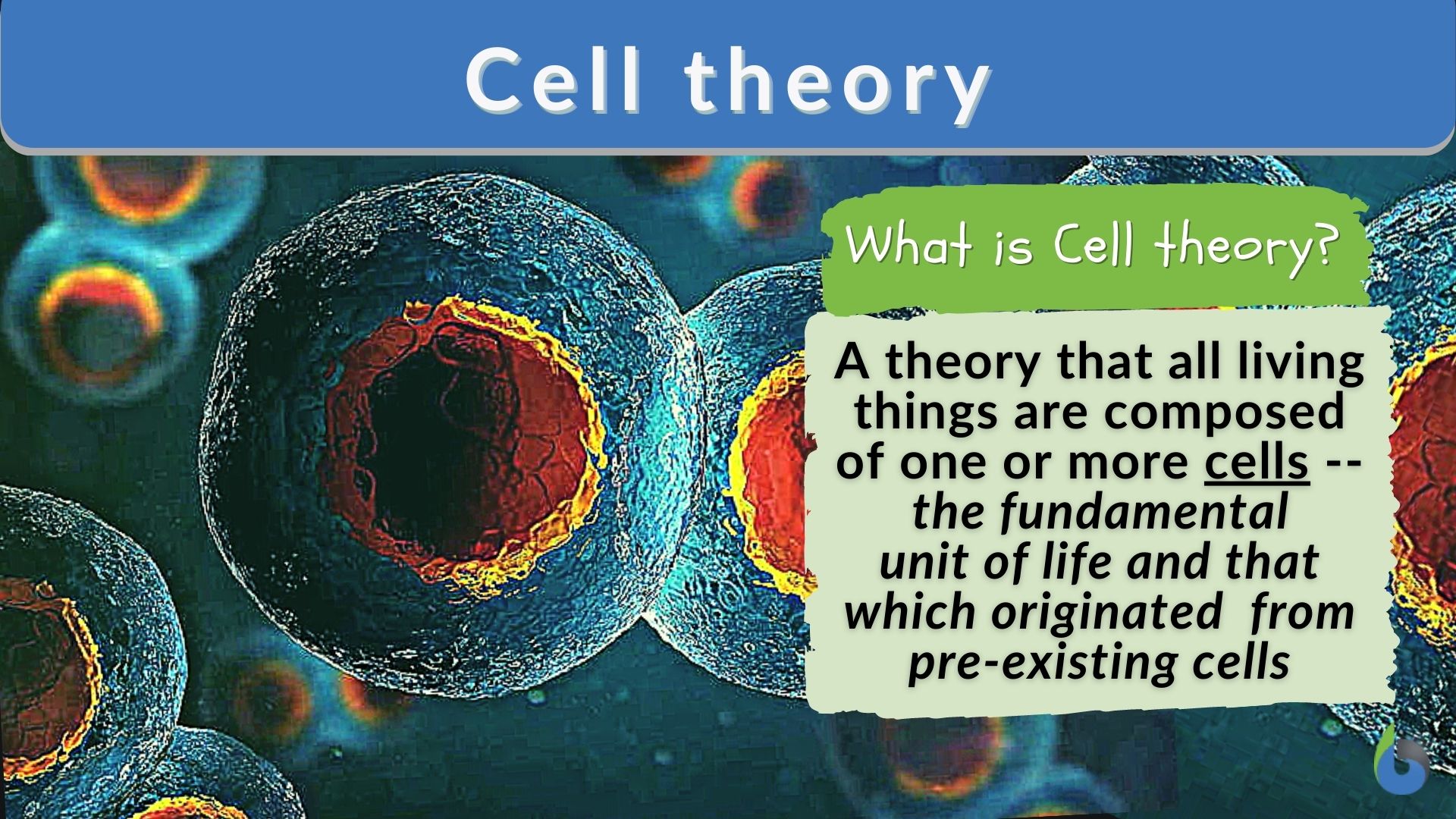
Cell Theory Biology Simple

Cell Theory Presentation Sauce Culture USA

PPT Cell Theory Classic vs. Modern PowerPoint Presentation, free
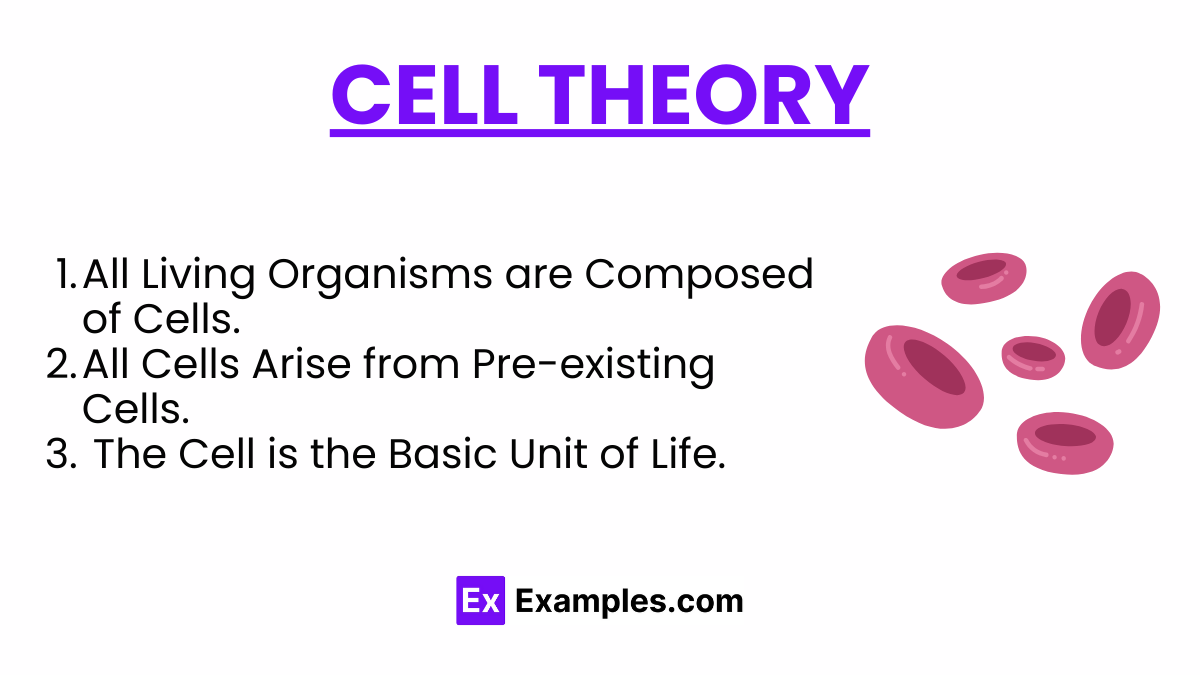
Cell Theory History, Parts, Basic Principles, Types, Importance
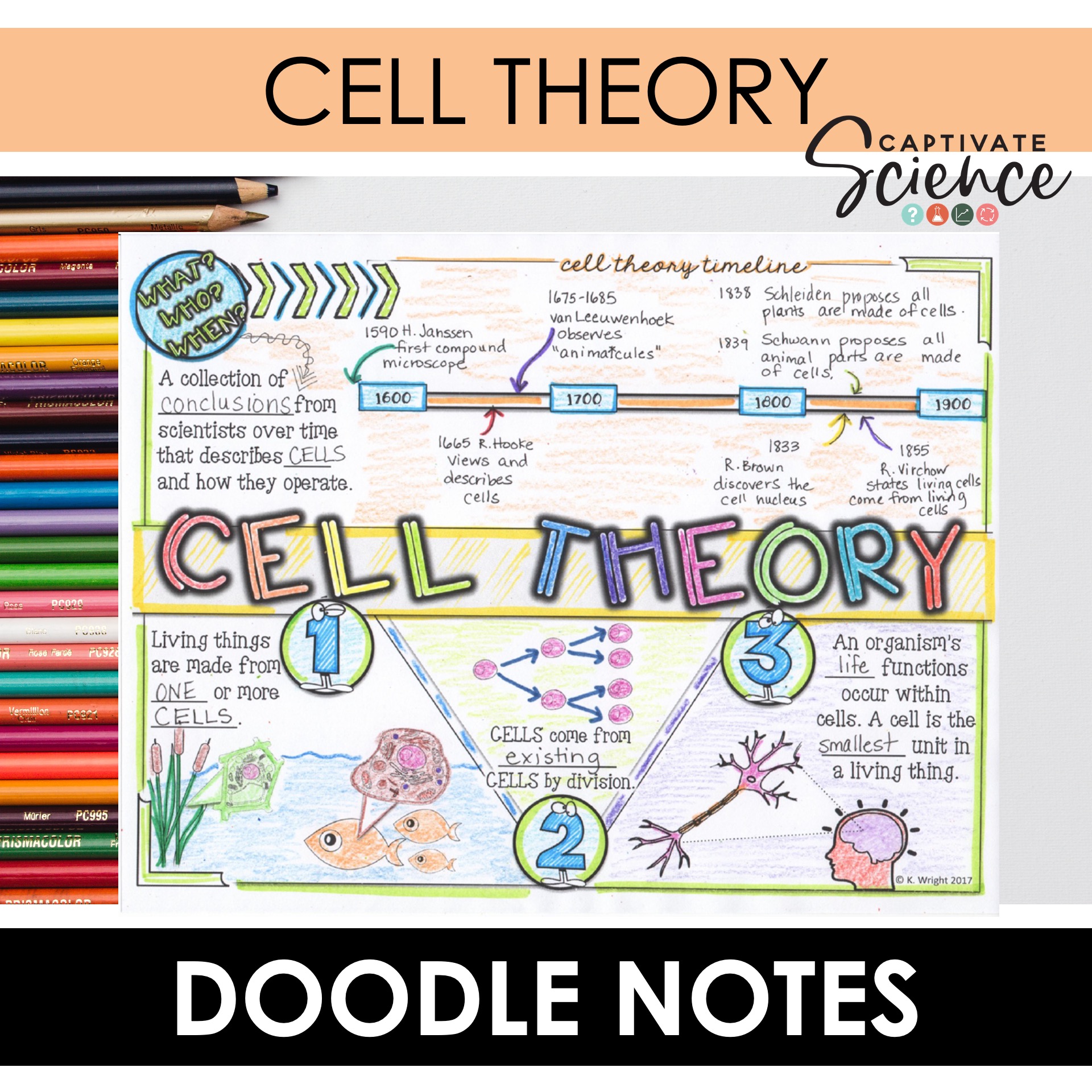
Tips for Teaching Cell Theory With DOODLE NOTES! Captivate Science

Cell Theory, History, Definition, Principles, Examples

Pin on The Biology Classroom
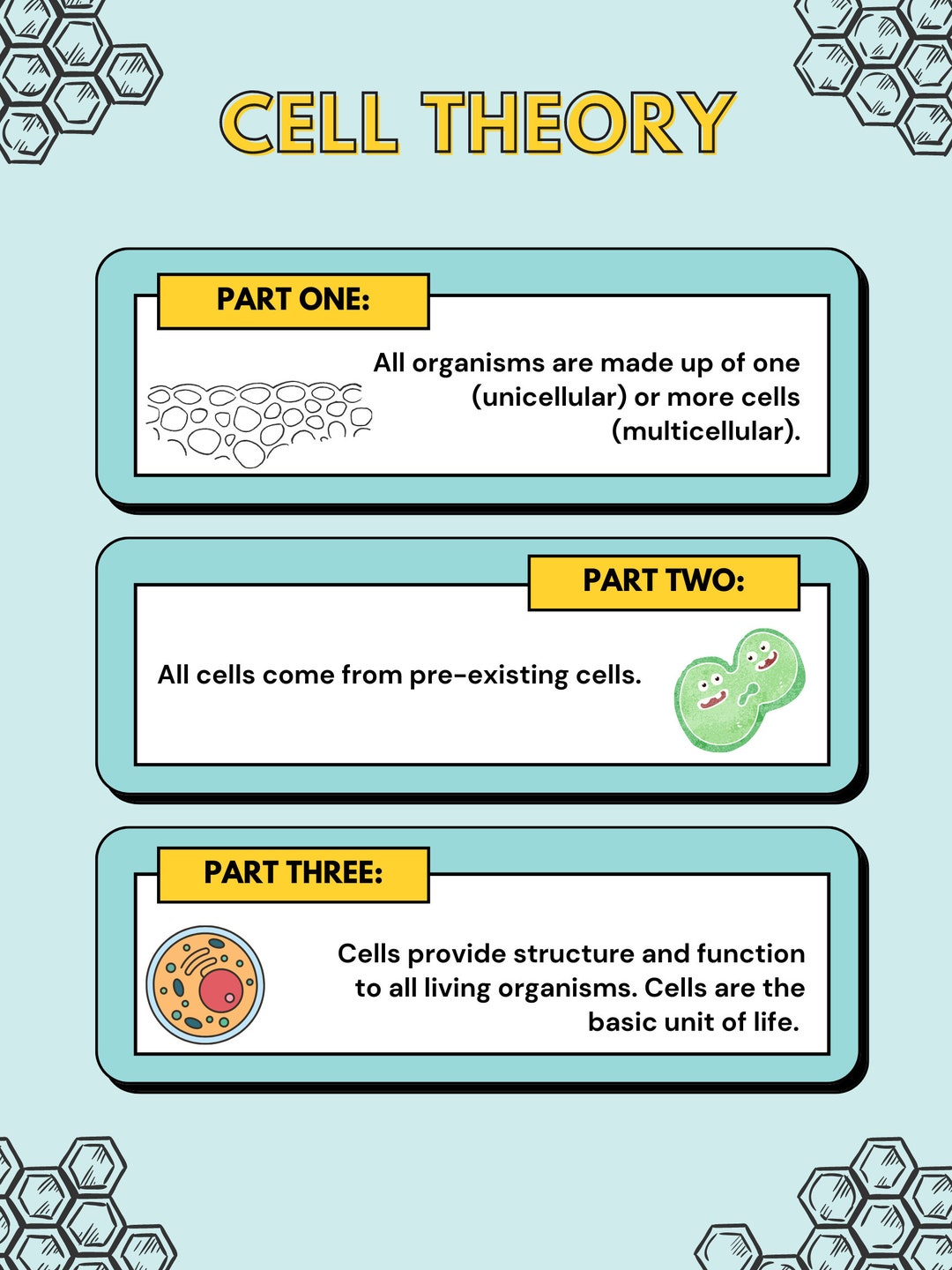
This item is unavailable Etsy
Cell Theory, types of cells, microscope, cellular organelles (1) PDF
Students Will Have Fun Reviewing The Basic Parts Of Plant And Animal Cells With This Brochure.
Fold The Paper Into Thirds Like The Diagram Shown To The Right:
The Powerpoint Begins With Hooke And His Cork Cell Observations And Leads Up The Conversation.
Get A Blank Piece Of Paper From The Teacher.
Related Post:
